Article
My Glock 45 Gen 6 Duty Build: What I Upgraded and Why
 By Duke Pham
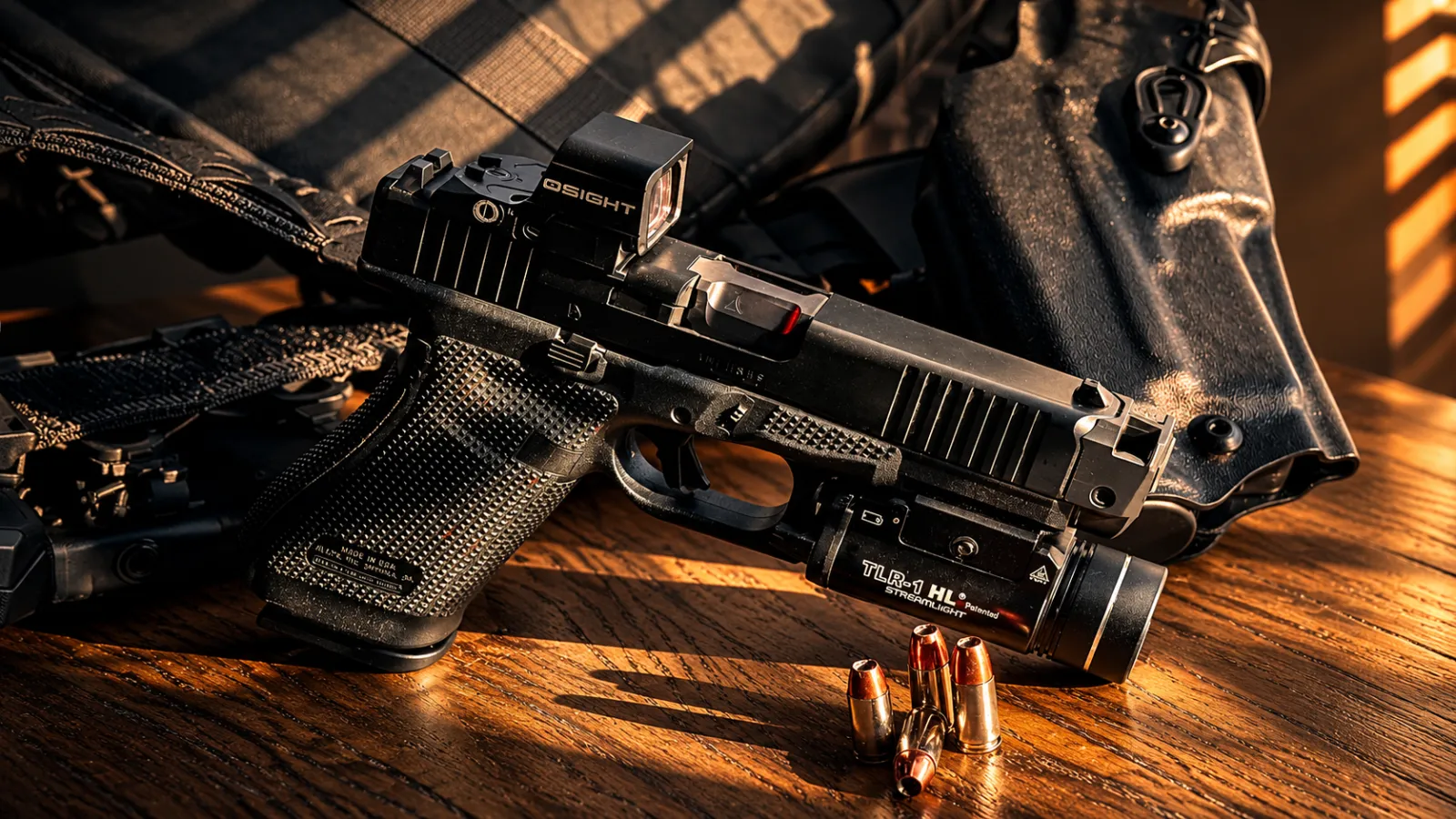
From the Glock 19 Gen 5 to the Glock 45 Gen 6 — my experience with Radian, Osight, Streamlight, and Safariland.
Why I Switched to the Glock 45 Gen 6
My previous duty handgun was a Glock 19 Gen 5. It served me well, but I never completely loved the fit of its shorter grip. I have large hands and long fingers, and even with a magwell installed, the grip felt a little short around my pinky.
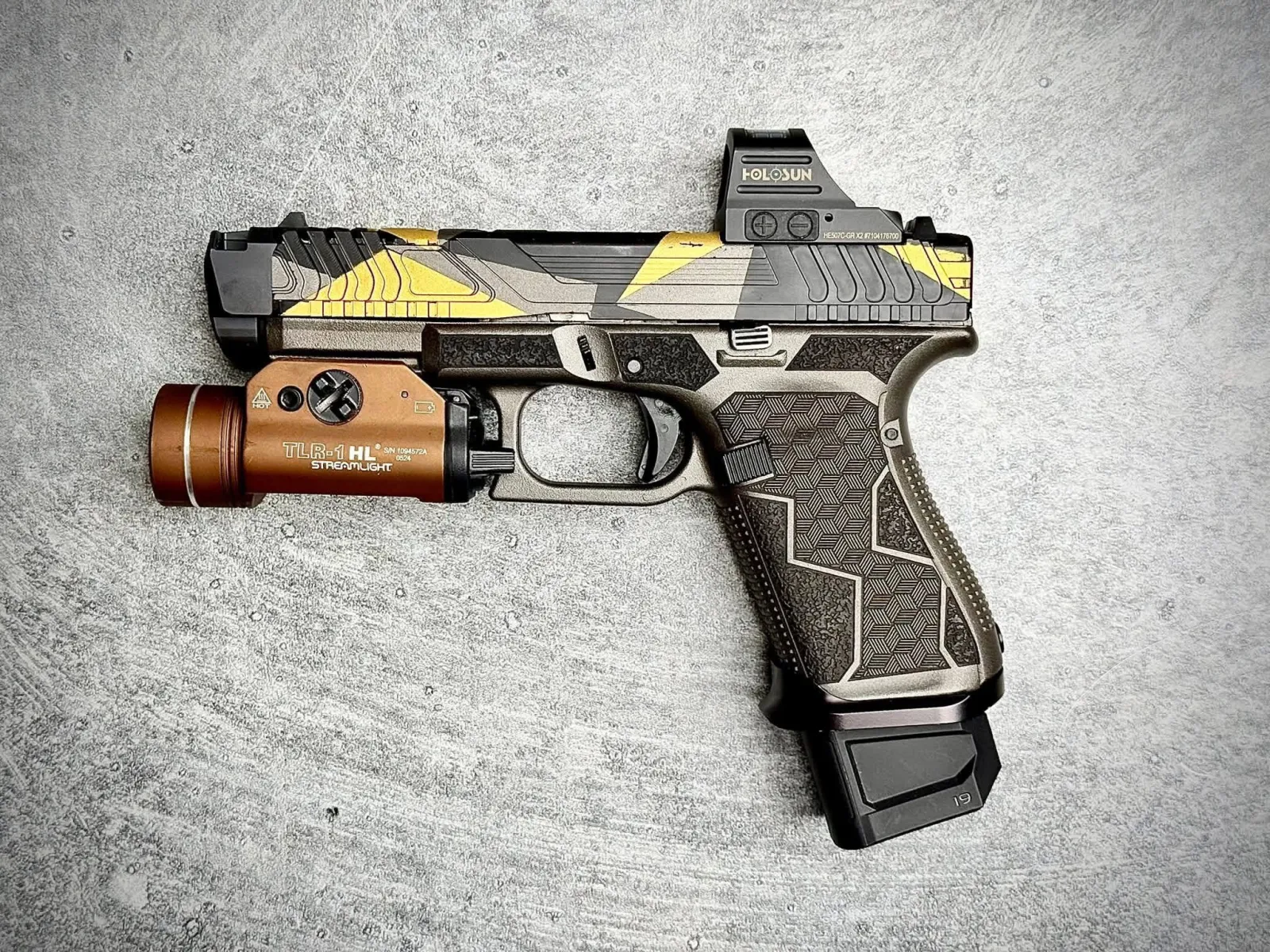
The Glock 45 Gen 6 addresses that immediately. Its full-size grip fits my hand more comfortably, and its standard magazine capacity increases from 15 rounds on my Glock 19 to 17 rounds on the Glock 45.
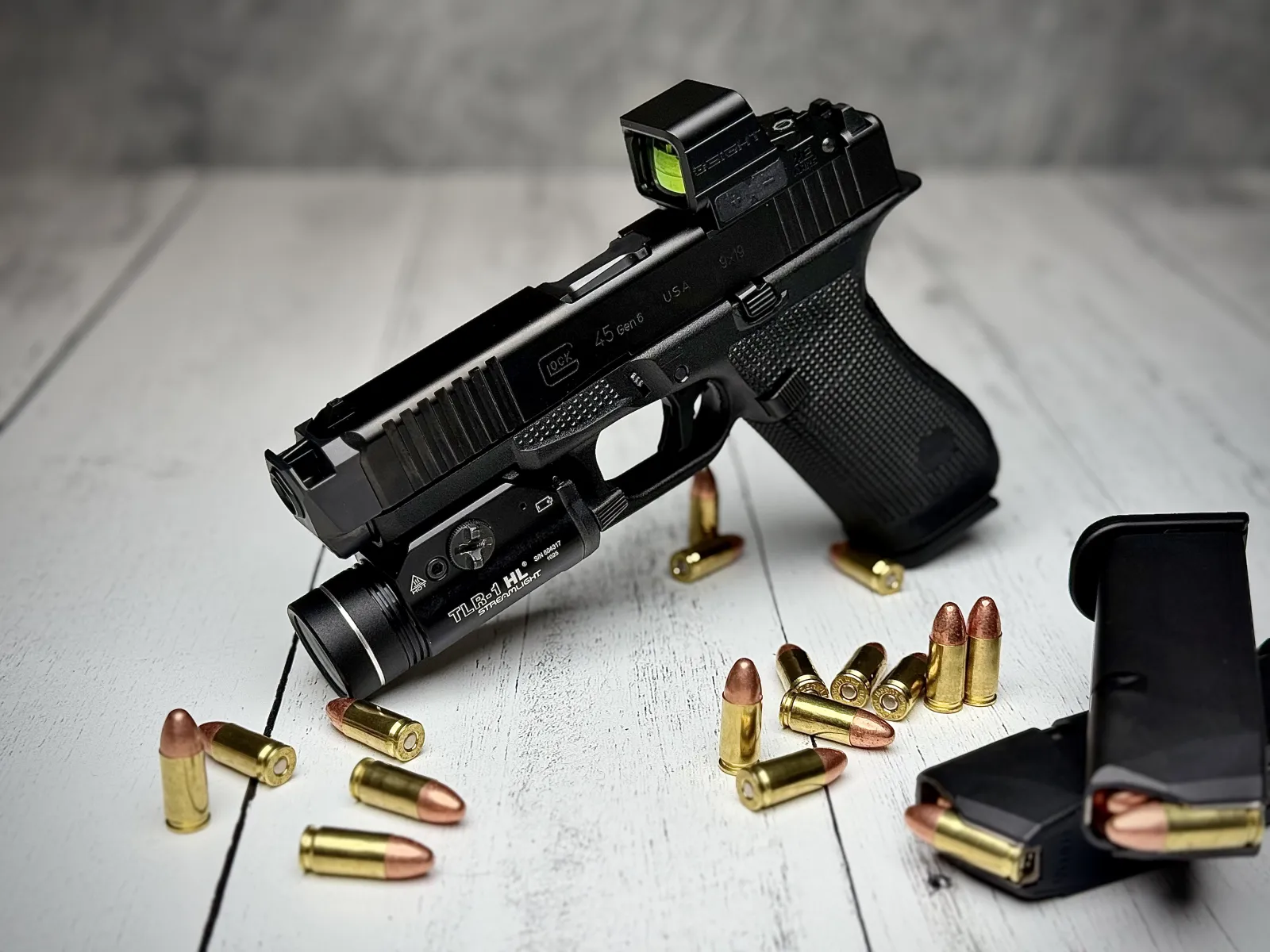
I also appreciate the Gen 6 grip texture. It feels secure without being overly aggressive, and the textured areas extend higher on the frame, including the area beneath the takedown lever where my support-hand thumb rests. Compared with my Gen 5, the factory trigger also feels lighter and has a cleaner, crisper break. Those changes impressed me before I made any upgrades.
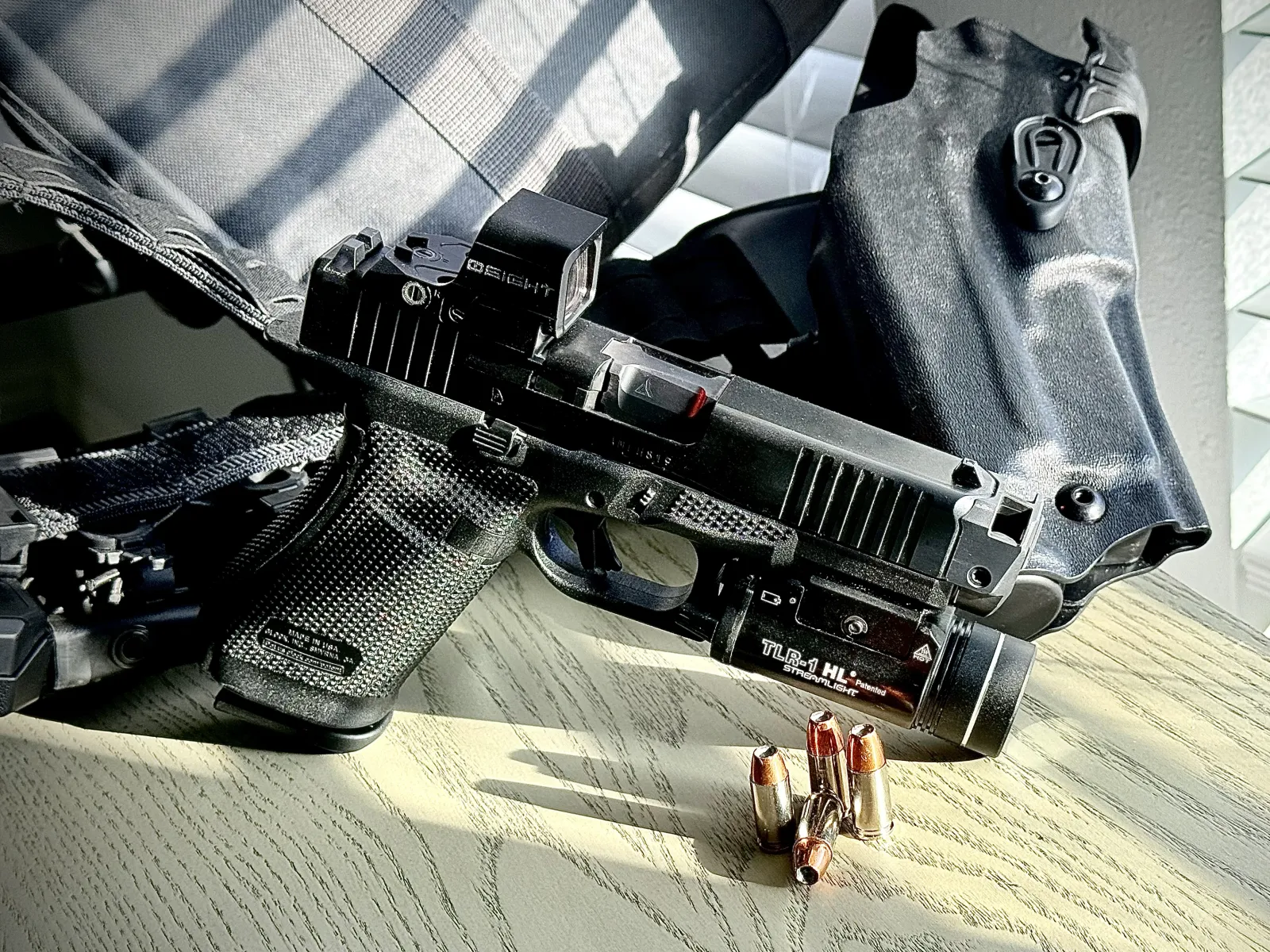
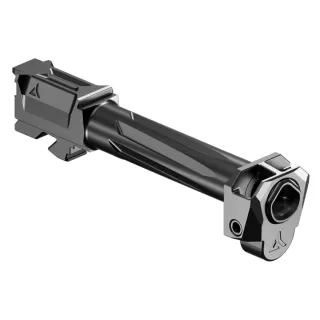
Radian Ramjet + Afterburner: Why I Added a Compensator
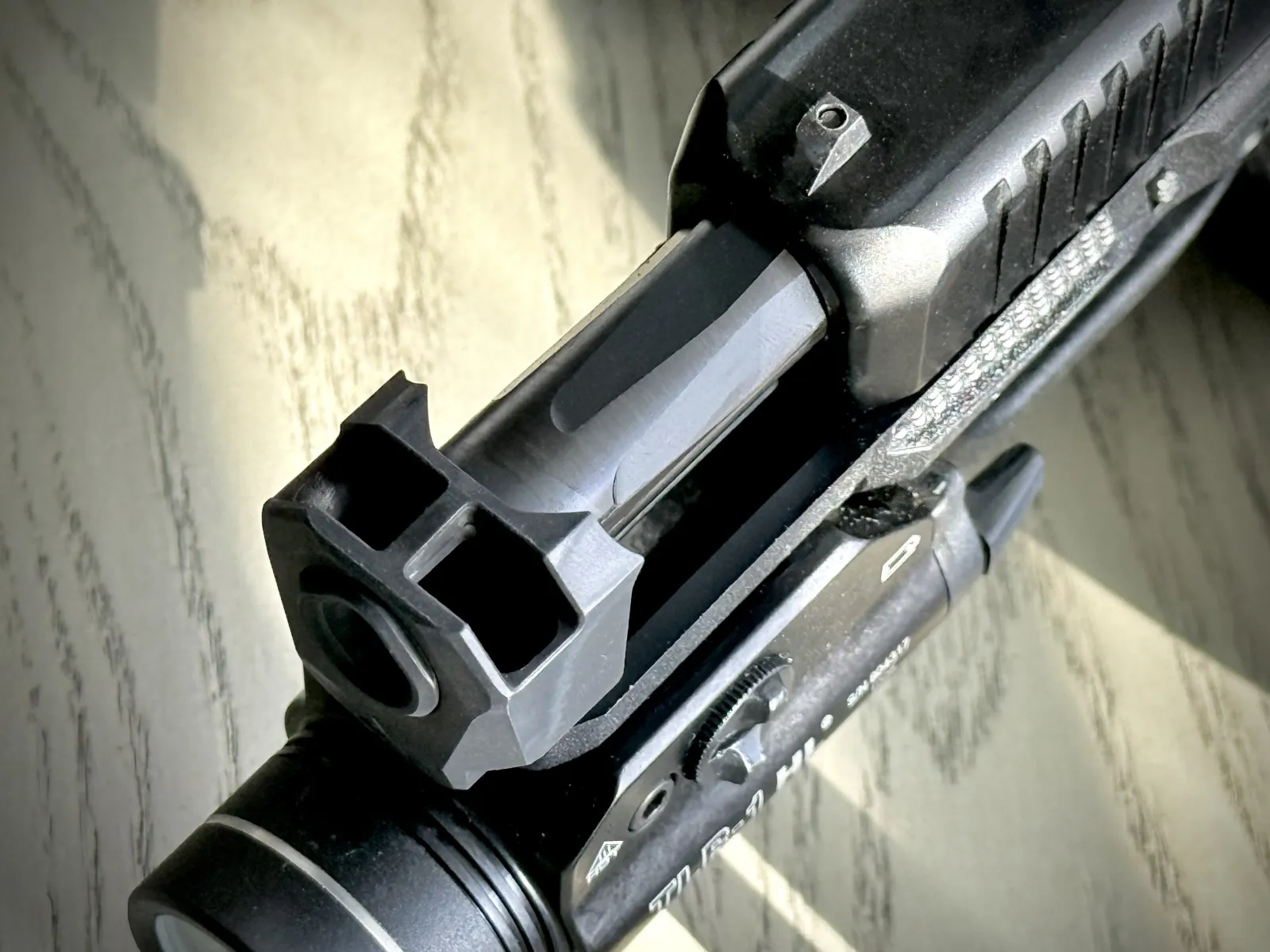
I had already used the Radian Ramjet and Afterburner on my Glock 19 Gen 5 and liked the results. I shot my Glock 45 Gen 6 with its factory barrel first and thought it performed very well. When a Gen 6-specific Radian combination became available, I decided to try it on this pistol, too.
After the upgrade, I noticed a meaningful difference in recoil behavior and muzzle rise, especially during faster strings of fire. To me, the benefit of a compensator isn't just how one shot feels; it's how readily I can recover my sight picture for the next shot. The effect is easier to appreciate during rapid strings than when firing slowly.
I've fired approximately 400–500 rounds after the upgrade, using 115-grain and 124-grain FMJ and JHP ammunition. I haven't experienced a malfunction in that testing, and I'm still using the factory Glock recoil spring assembly. Those results are encouraging, but they are an initial sample—not proof of long-term duty reliability.
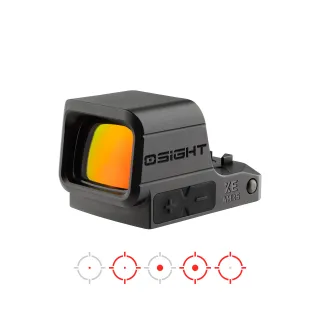
Osight XE AMRS: Features Without the Premium Price
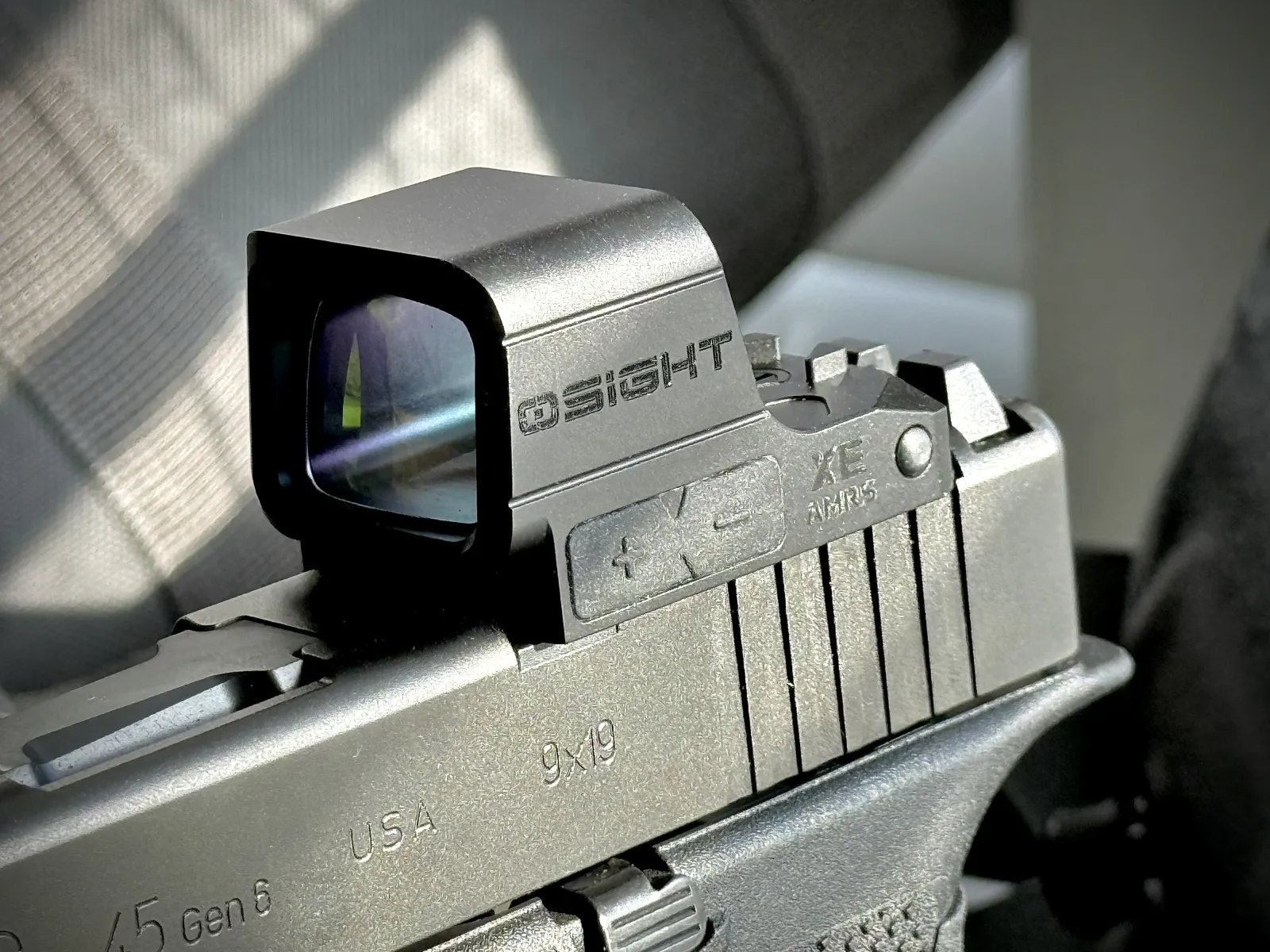
I chose the Osight XE AMRS partly because of its price-to-feature value. I have also used two other Osight red dots without problems, which made me comfortable trying another optic from the brand.
I use the 2 MOA dot because I find it easier to align precisely with my intended point of aim. After approximately 500 rounds of testing, the optic has maintained its zero in my experience.
One feature I like in concept is the integrated backup rear sight. On my Glock 45, however, the factory front sight is too low to line up with it. A suitably taller front sight would be needed to make that backup arrangement usable. I don't consider it a functional backup sighting system on my current configuration.
Streamlight TLR-1 HL: Sticking With What I Know
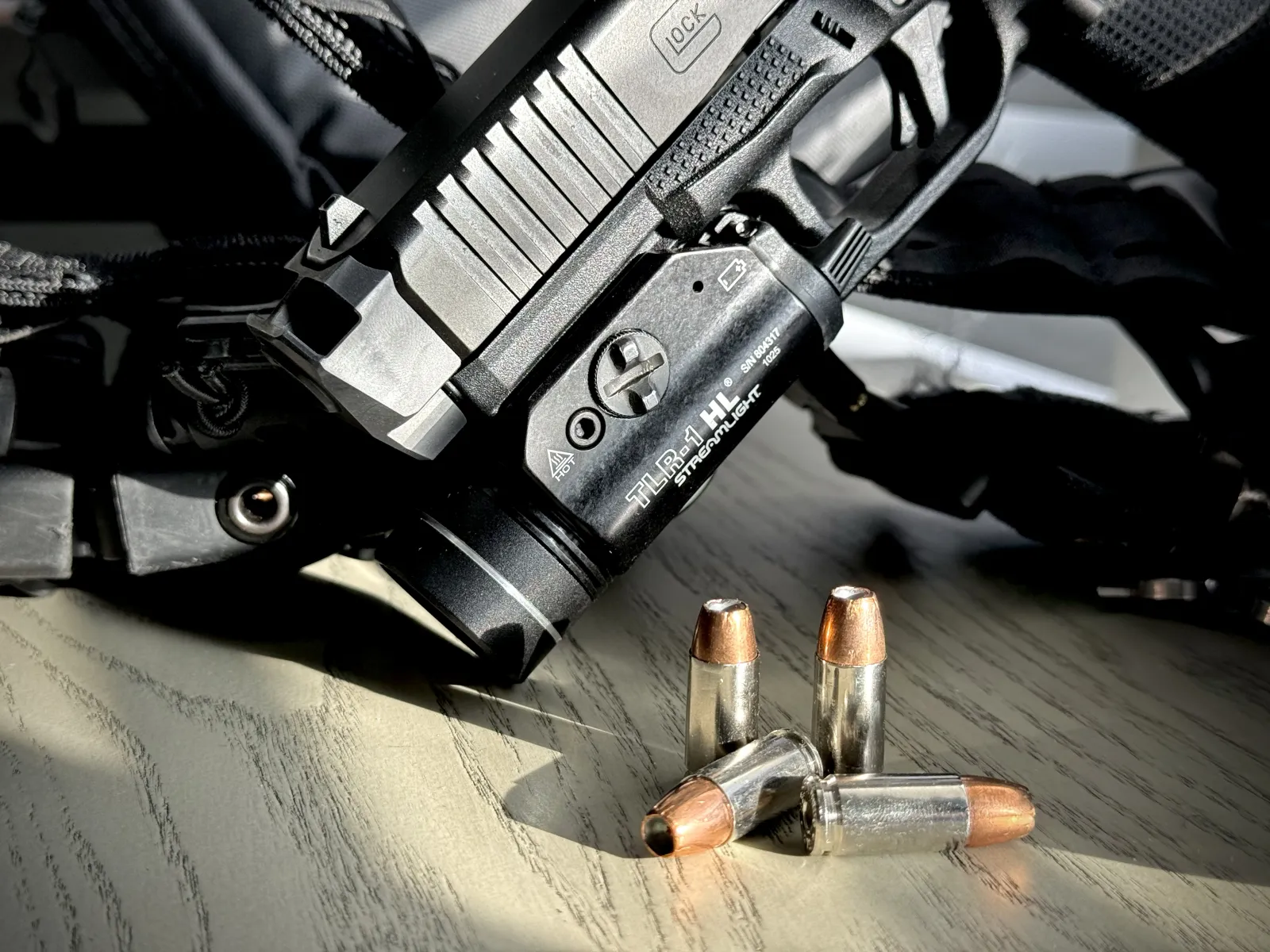
I've used the Streamlight TLR-1 HL on my Glock 19 and Canik TTI Combat, so it was a familiar choice. It provides the brightness I want, and I have been satisfied with its reliability. Just as importantly, using a familiar light model simplifies my holster choices—although each firearm, light, and holster combination still needs to be checked individually.
Safariland 6390 RDS: Retention Comes First
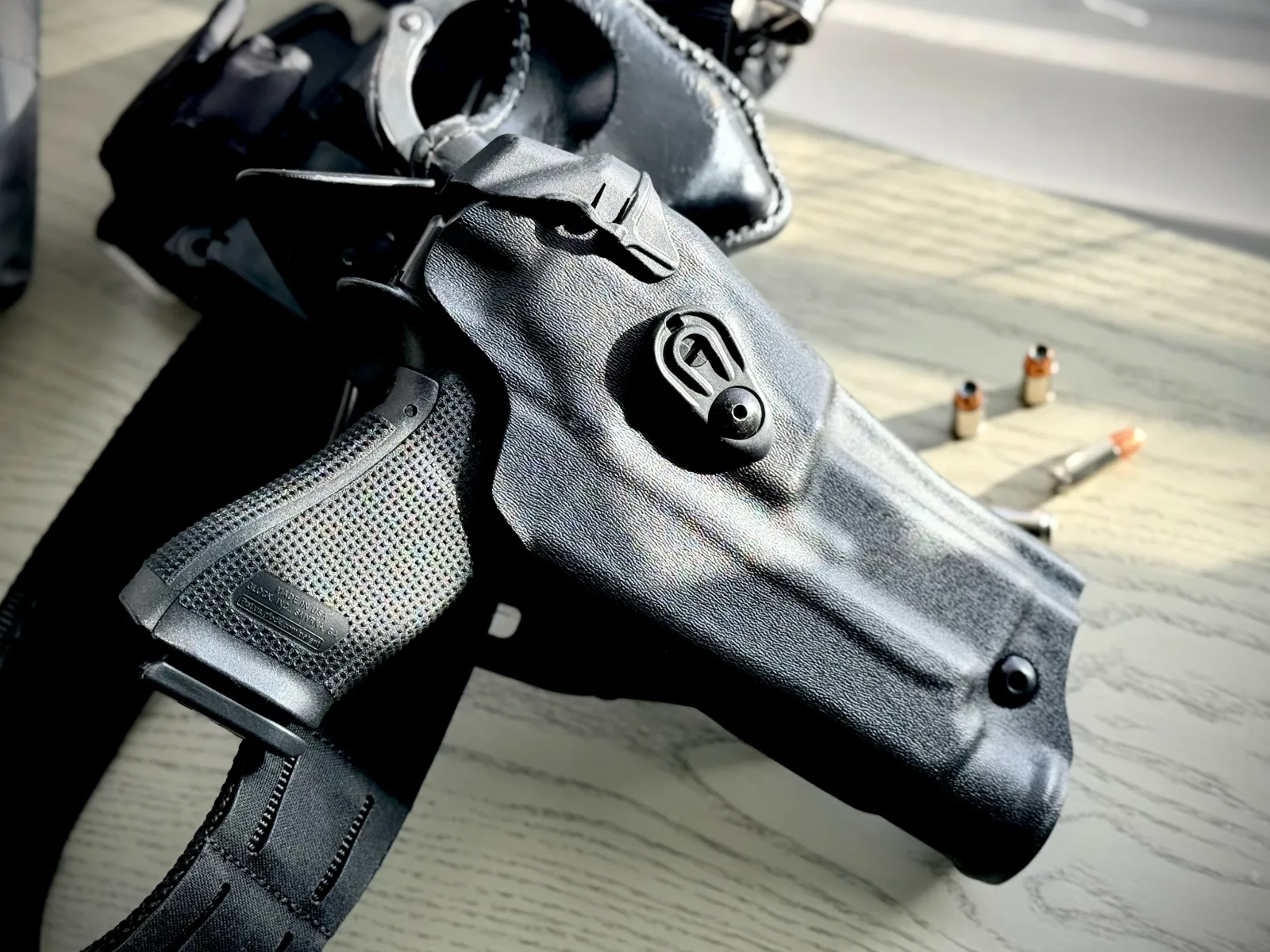
I'm using a Safariland 6390 RDS holster configured for a Glock 17. With the Ramjet and Afterburner installed, my Glock 45 is closer to Glock 17 overall length, and this particular combination fits my holster without modification.
In my own checks, the trigger guard is fully covered and the ALS retention mechanism engages and releases normally. That matters to me for a duty-carry setup. However, fit and function in my hands are not the same as manufacturer-approved compatibility for every possible configuration; the exact holster fit code and Safariland guidance should be checked separately.
My Experience After Approximately 500 Rounds
After about two months of carrying this setup for duty and roughly 500 rounds of testing, my first impressions are positive. The full-size grip feels better in my hand, the factory Gen 6 trigger is an improvement over my previous Gen 5, and the Radian system helps me manage muzzle movement during faster shooting. My Osight has held zero, and I haven't observed a firearm malfunction during this test period.
There are still a couple of things I may change. Because of my long fingers, I want to try one of the included backstraps for a more natural grip fit. I'm also interested in an Apex trigger upgrade, similar to what I used on my Glock 19 Gen 5, although the Gen 6 factory trigger has already impressed me. Any further changes would need their own safety and reliability evaluation.
Final Thoughts
The Glock 45 Gen 6 already addressed several things I wanted to improve over my Glock 19 Gen 5: grip length, grip texture, and trigger feel. My upgrades were intended to complement those improvements, not fix a fundamentally inadequate pistol.
I'm pleased with the setup so far, but a duty handgun deserves more scrutiny than a range-only build. Reliability, retention, safe handling, and compatibility matter more than simply installing the newest accessories. I'll continue evaluating the pistol as the round count grows.
Would you upgrade your duty Glock with aftermarket parts, or keep everything factory stock?
PHAM DEFENSE Field Notes
Platform: Glock 45 Gen 6, 9mm
Previous duty handgun: Glock 19 Gen 5
Barrel / compensator: Radian Ramjet + Afterburner, G19/G45 Gen 6, Black
Optic: Osight XE AMRS, 2 MOA dot used
Weapon light: Streamlight TLR-1 HL
Holster: Safariland 6390 RDS, Glock 17 configuration; exact fit code not supplied
Recoil spring: Factory Glock assembly
Ammunition tested: 115gr and 124gr FMJ and JHP
Approximate total tested: ~500 rounds; counts for optic and compensator overlap
Malfunctions observed: None reported during this test period
Optic zero: Maintained during owner's testing
Duty carry period: Approximately two months
Review classification: Initial field review, not manufacturer certification
Field Notes are the author's observations, not a guarantee of future performance or certification of duty suitability.
Gear in this post
Written by
Duke PhamFounder of Pham Defense / USCCA Instructor / TX Level III/IV Security Officer
Duke Pham is a certified firearms instructor through the United States Concealed Carry Association (USCCA) and a security professional based in Texas. Through his articles at PHAM DEFENSE, Duke shares hands-on experience and practical insights on firearms, tactical gear, shoot...
More from Duke Pham →